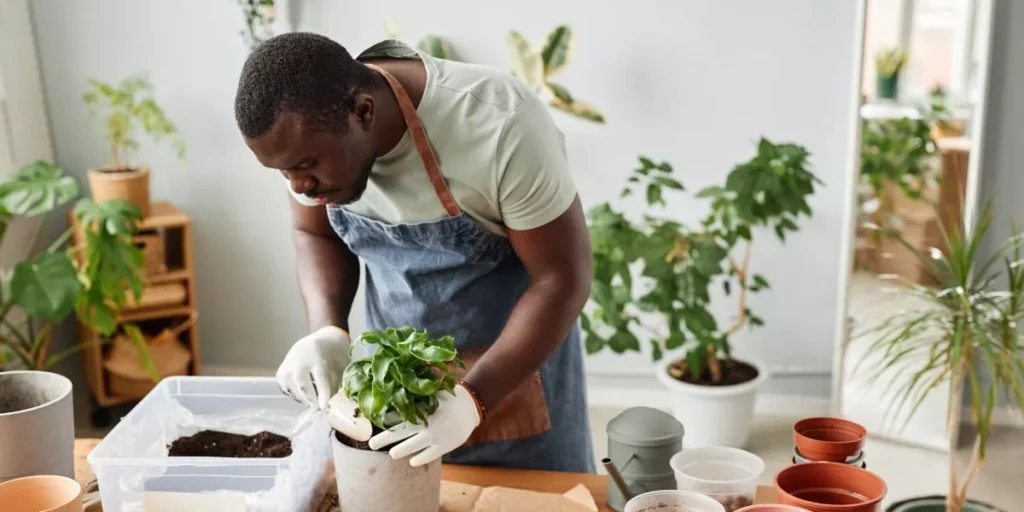
When it comes to nurturing your indoor garden, selecting the right soil mix is crucial. Each component plays a significant role in providing your plants with the ideal growing environment. But how do you know which combination will yield the best results for your specific indoor gardening needs? By understanding the properties of peat moss, perlite, vermiculite, and compost, you can begin to uncover the secrets behind crafting the perfect soil mix. So, are you ready to elevate your indoor gardening game and unlock the potential of your plants?
Benefits of Using Peat Moss
When gardening indoors, incorporating peat moss into your soil mix enriches it with essential nutrients and improves moisture retention. Peat moss, a natural organic material derived from decomposed sphagnum moss, acts as a fantastic soil conditioner. It boosts the soil’s ability to hold onto vital nutrients like nitrogen, phosphorus, and potassium, helping your indoor plants thrive.
Additionally, peat moss has excellent water retention properties, ensuring your plants receive adequate moisture without becoming waterlogged. This is particularly beneficial for indoor gardening, as it helps maintain the right balance of hydration for your plants, reducing the risk of overwatering or underwatering.
The fluffy texture of peat moss also aids in promoting root growth and aeration within the soil, allowing your plants to develop strong and healthy root systems. With peat moss in your soil mix, you’ll provide your indoor plants with the optimal environment they need to flourish.
Importance of Perlite in Soil Mixes
Adding perlite to your soil mix is crucial for enhancing aeration and drainage, vital for the health of your indoor plants. Perlite is a lightweight, porous material that helps improve soil structure by preventing compaction. Its high porosity allows for better oxygen circulation around the plant roots, promoting healthy growth. Additionally, perlite aids in water retention without causing waterlogged conditions, preventing root rot and other moisture-related issues.
Understanding Vermiculite for Indoor Gardening
To enhance moisture retention and provide aeration in your indoor garden soil mix, understanding the role of vermiculite is essential. Vermiculite is a mineral that undergoes a process called exfoliation, where it expands and becomes a lightweight material with excellent water retention properties. When added to soil mixes, vermiculite helps prevent compacting, allowing roots to access oxygen and water more easily. Its ability to hold moisture without becoming waterlogged makes it ideal for plants that prefer consistently moist soil.
In indoor gardening, vermiculite is particularly beneficial for houseplants that require well-draining soil, such as succulents or herbs. Mixing vermiculite into your potting soil can improve the overall structure, preventing soil from becoming too dense and aiding in root development. Additionally, vermiculite is sterile, so it won’t introduce weed seeds or pathogens into your indoor garden.
When incorporating vermiculite into your soil mix, aim for a balanced ratio to optimize moisture retention and aeration without risking waterlogging. Experiment with different proportions to find the mix that best suits the needs of your indoor plants.
The Role of Compost in Soil Blends
Incorporate compost into your soil blends to enrich the nutrient content and improve soil structure for your indoor plants. Compost is a valuable organic matter that adds essential nutrients like nitrogen, phosphorus, and potassium to the soil, promoting healthy plant growth.
It also enhances the soil’s ability to retain moisture, ensuring your plants have a consistent water supply. Additionally, compost helps create a well-aerated soil structure, allowing roots to penetrate easily and access oxygen efficiently.
When preparing your soil mix, aim to include compost at a ratio of about 10-20%, depending on the specific needs of your plants. You can either make your own compost using kitchen scraps and yard waste or purchase it from a local nursery.
Whichever method you choose, the addition of compost will significantly contribute to the overall health and vitality of your indoor garden, resulting in thriving plants and lush greenery.
Trending Products

Greesum Outdoor Storage Box 82 Gallon Storage Bin with Lid for Patio Furniture, Garden Tools, Pool Supplies, Waterproof and UV Resistant, Lockable, Black
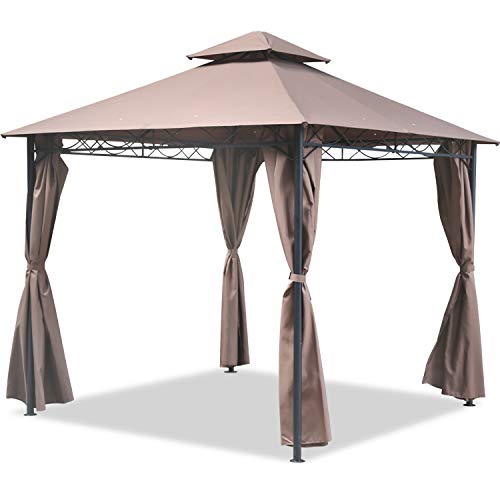
10’x10′ Outdoor Patio Gazebo Heavy Duty Steel Frame Canopy with Double Roof, Privacy Curtains, for Garden, Backyard, and Lawn (Brown)
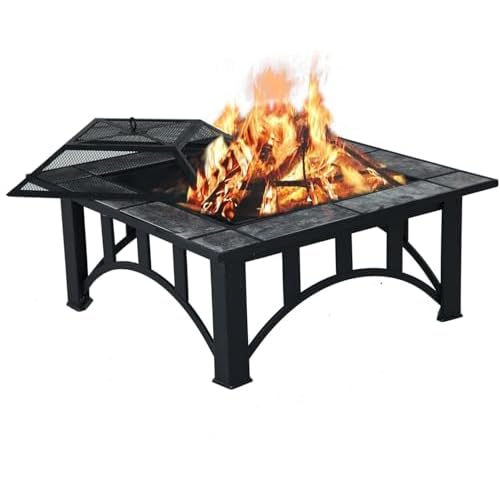

Solo Stove Bonfire with Stand | 19.5″ Smokeless Fire Pit, Removable Ash Pan | Portable Stainless Steel Wood Burning Outdoor Fireplace, Ideal for 4–6 People, 21.75 lbs

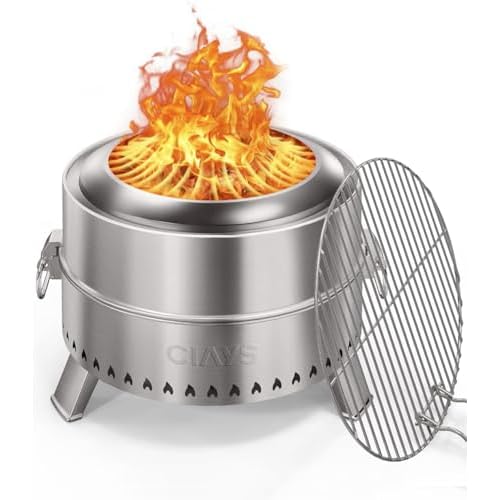
CIAYS Smokeless Firepit, 19 Inch Fire Pit for Camping with Patented Technology, Portable Fire Pit for Outside with Steel Grill Rack, Fire Poker, and Bag, Easy Setup and Storage, Wood Burning

Canopy Tent, 10X10 FT Pop Up Canopy Outdoor Instant Tent Slant Legs with Carrying Bag, Portable Gazebo Shelter for Patio Deck Garden and Beach – 8X8 FT Canopy Cover, Blue
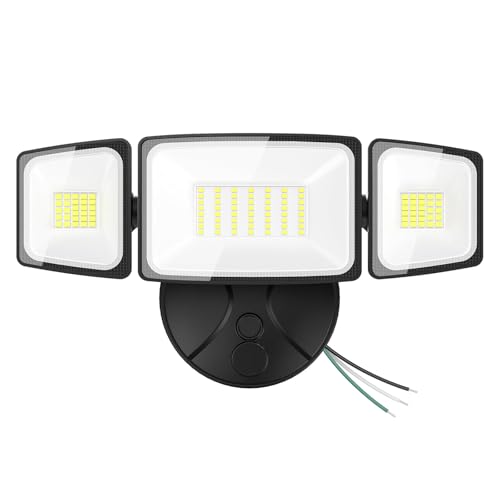
Onforu 75W Flood Lights Outdoor, 7000LM Brightness Security Lights Switch Controlled, 3 Adjustable Heads, IP65 Waterproof, 6500K Wall Mount Exterior LED Flood Light
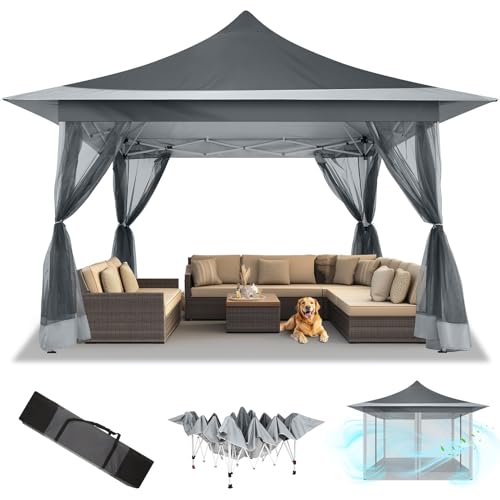
COBIZI 12×12 Pop Up Gazebo On Clearance Canopy Tent Easy Up Outdoor Gazebo Waterproof Upgrade with Mosquito Nettings and Carry Bag for Patio Garden Lawn